
Understanding Human-Animal Conflict: Main Causes, Impacts, and Solutions
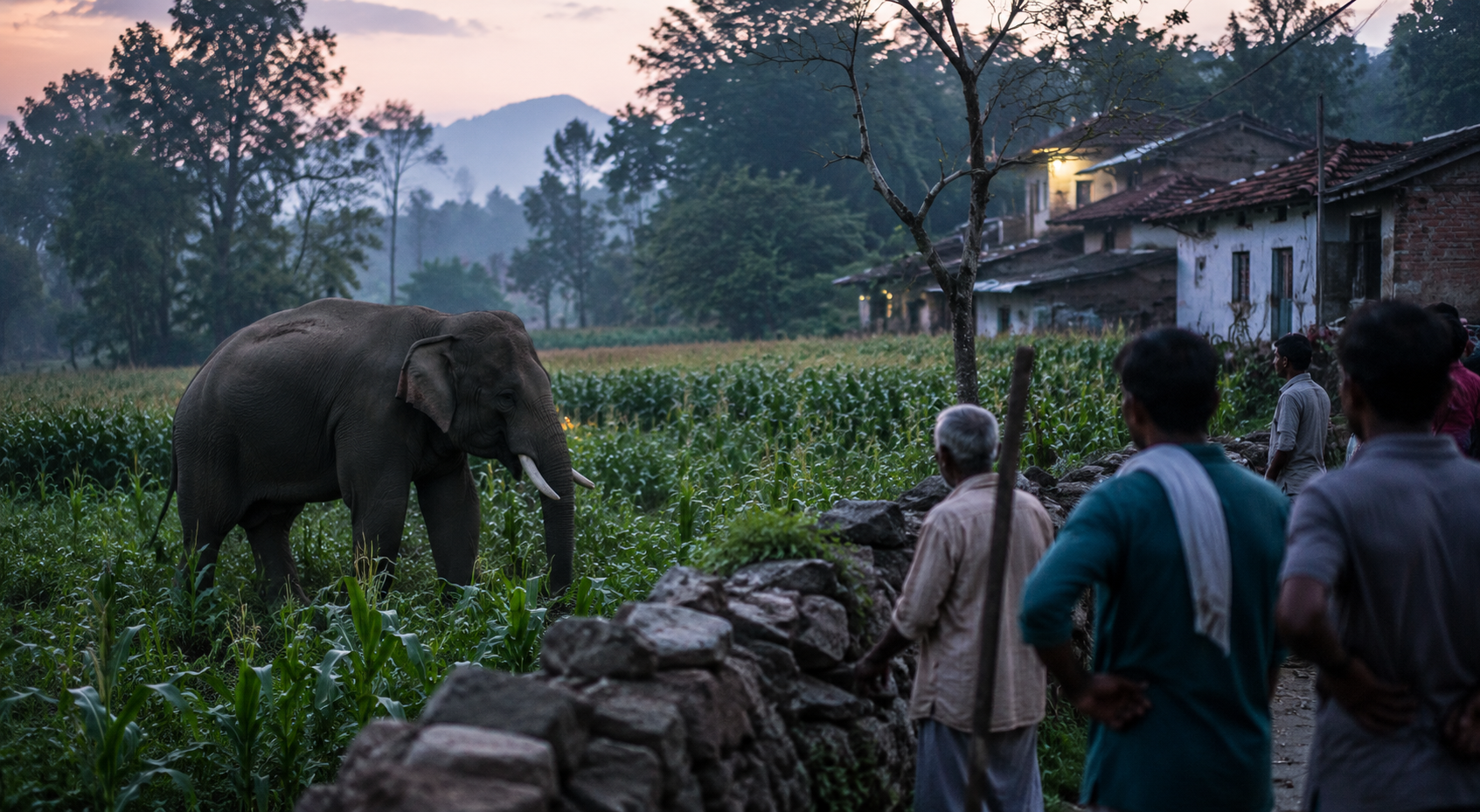
Human-animal conflict is a serious challenge in places where wildlife habitats and human settlements are close to each other. A forest may be home to tigers, leopards, elephants, bears, and other animals. Nearby villages may depend on the same land for farming, livestock, and daily work. When animals move beyond forest areas and people enter wildlife habitats, the chances of dangerous encounters increase. The results can be severe. People may lose crops, livestock, property, or even their lives. Wildlife can also be injured or killed when repeated conflict leads to fear, retaliation, or attempts to remove animals from an area. The problem is becoming more complex as human populations grow, agriculture expands, infrastructure changes wildlife habitats, and climate conditions affect animal movement. IUCN identifies habitat loss, agricultural expansion, infrastructure development, climate change, and other factors that bring people and wildlife into closer contact as important drivers of human-wildlife conflict. This makes early detection and better monitoring increasingly important. Instead of waiting until an animal enters a village or a livestock attack takes place, authorities can use technology to monitor sensitive areas and identify wildlife movement earlier. This is where Wildlife EYE & IQ provides a practical technology-based approach. The platform combines real-time wildlife detection with wildlife data and analytics to help forest departments and conservation teams understand animal activity, receive alerts, and respond to potential conflict situations. What Is Human-Animal Conflict? Human-animal conflict happens when the presence or movement of wild animals creates a direct or repeated threat to people, their livelihoods, property, or other interests. The conflict can take many forms. An elephant may enter farmland and damage crops. A leopard may move close to a village in search of food. A tiger may approach livestock areas. People may also enter forests for farming, grazing, collecting forest products, or other activities and encounter wildlife. These situations do not mean that animals are intentionally attacking people. In many cases, the underlying issue is overlap between human activity and wildlife movement. IUCN defines human-wildlife conflict as situations where wildlife presence or behaviour creates an actual or perceived recurring threat to human interests or needs. It also notes that these conflicts can have ecological, social, economic, cultural, and political dimensions. That is why there is no single solution that works everywhere. A successful approach needs to consider the local environment, animal behaviour, community needs, and the specific reason conflict is happening. Main Causes of Human-Animal Conflict Habitat Loss and Fragmentation One of the biggest causes is the loss of natural wildlife habitat. Forests can become fragmented because of roads, agriculture, settlements, mining, industrial activity, and other forms of development. When natural areas become smaller or disconnected, animals may change their movement routes. Some may move closer to farms and villages in search of food, water, or shelter. This increases the chance of contact between wildlife and people. Expansion of Agriculture Agricultural land often exists close to forest boundaries. Crops can provide an easy food source for animals, while livestock can attract predators. When farms are located along regular wildlife movement routes, repeated incidents can occur. Crop and livestock losses can also create financial pressure on local communities. Roads and Infrastructure Roads, railway lines, buildings, power infrastructure, and other development can change how animals move through a landscape. An established wildlife route may become blocked or divided. Animals may then use alternative paths that pass through human settlements or agricultural areas. Changes in Food and Water Availability The wildlife movement is strongly influenced by food and water. Seasonal changes, environmental stress, habitat degradation, and climate conditions can alter where animals search for resources. This can bring animals closer to people than usual. Human Activity in Wildlife Areas The movement is not always from the animal side. People also enter forests for work and other activities. Farmers may operate fields near forest boundaries. Livestock may graze near wildlife habitats. Forest workers and local communities may travel through areas used by wild animals. The more these movement patterns overlap, the greater the possibility of conflict. What Are the Impacts of Human-Animal Conflict? The effects can extend far beyond an individual incident. Human Safety The most serious consequence is the loss of human life or injuries. An unexpected encounter with a large wild animal can become dangerous within seconds, especially at night or in areas with limited visibility. Crop Damage Repeated crop raids can reduce agricultural income and create significant financial losses for farming communities. Livestock Loss Predators can attack cattle, goats, and other livestock kept near forest areas. For families that depend on livestock for income, these losses can have a direct effect on their livelihood. Wildlife Retaliation Conflict can also put animals at risk. When communities experience repeated losses and do not have effective ways to protect themselves, anger and fear can increase. In some cases, this may lead to retaliation against wildlife. IUCN notes that effective conflict management can help protect communities, prevent escalation, build trust in conservation, and reduce retaliation against animals. Pressure on Conservation Repeated conflict can also affect public support for conservation programs. If communities associate wildlife with constant economic loss or safety risks, maintaining a positive relationship between communities and conservation authorities becomes harder. This is why conflict management needs to protect both people and wildlife. Why Early Detection Can Make a Difference Many traditional wildlife monitoring methods are designed to collect information about animal activity. Camera traps, field surveys, tracking methods, and ranger observations are all valuable tools. But there is an important difference between recording an event and knowing about it while it is happening. A camera trap may capture an image of a leopard near a village. If that image is reviewed much later, it can provide useful information for future research, but it may not help with the immediate situation. Real-time monitoring changes this process. When a system can detect wildlife activity and send an alert while the event is taking place, field teams have more information and potentially more time to respond. This