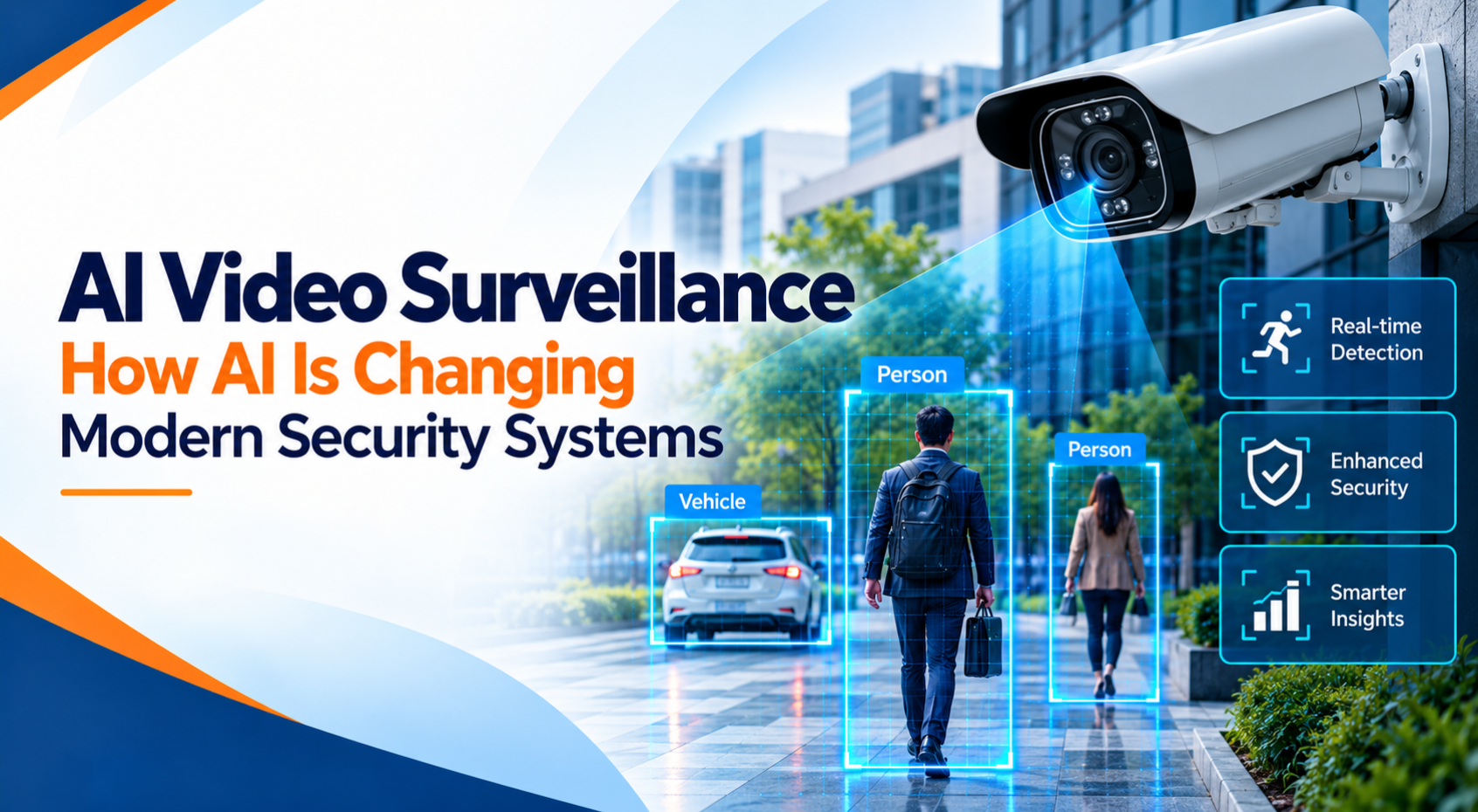
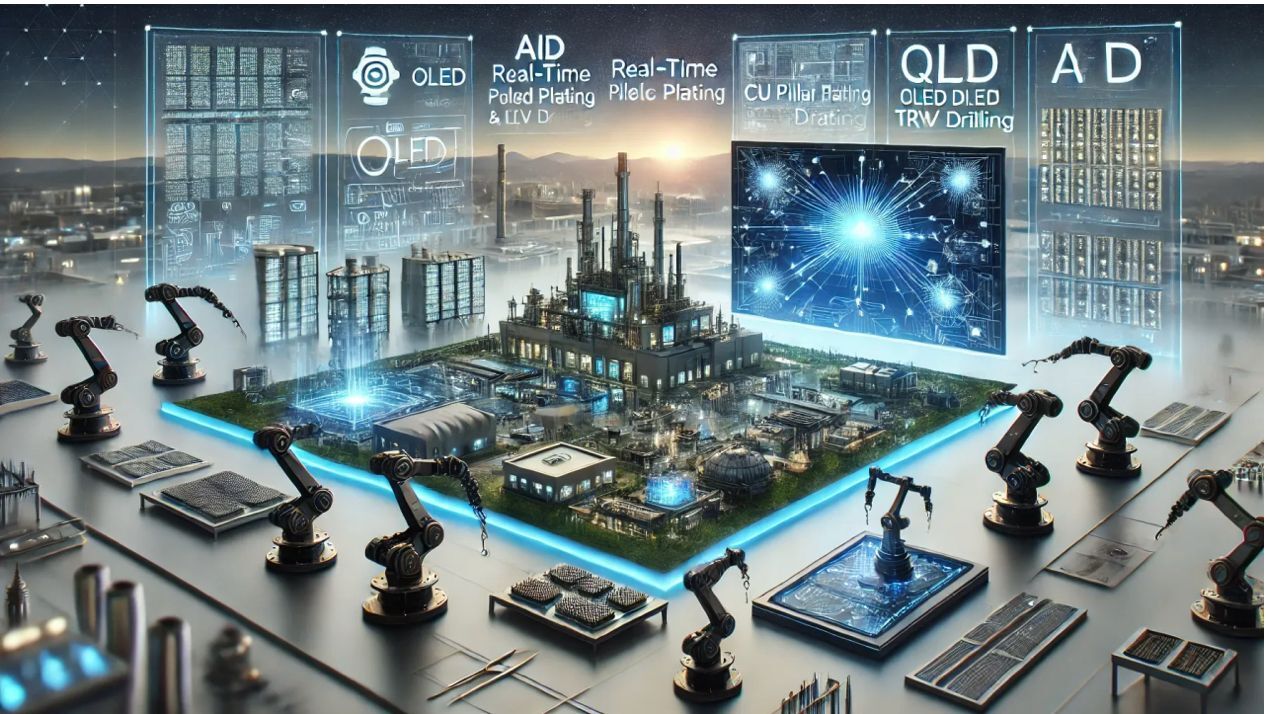
A plume of smoke rising from an industrial stack rarely triggers alarm.
It blends into the skyline. It fades into the air.
But environmental risk doesn’t disappear just because it’s invisible.
Over the past decades, environmental laws have grown stricter. Compliance frameworks have expanded. Continuous Emission Monitoring Systems (CEMS) have been mandated. On paper, oversight looks robust.
In practice, it is often less so.
In 2023, India’s pollution control authorities flagged multiple industrial units for exceeding emission norms despite having installed CEMS infrastructure. In several instances, systems were offline, under calibration, or failing to transmit consistent real-time data. By the time inspections confirmed discrepancies, the emissions had already dispersed into surrounding communities.
This is the operational gap in industrial sustainability.
Factories do not pause. Boilers ignite before sunrise. Furnaces discharge exhaust every minute. Industrial stacks release gases in continuous streams not in reporting intervals.
Yet environmental monitoring frequently remains periodic, fragmented, or reactive.
The issue is no longer the absence of regulation. Nor is it the absence of hardware.
It is the absence of real-time interpretation.
Because in environmental compliance, delay does not just postpone action it changes impact.
Industrial sustainability is now moving beyond simply measuring emissions.
The future lies in understanding them as they happen.
The Growing Environmental Challenge in Industrial Operations
Industrial emissions remain a major global risk driver economically, environmentally, and socially.
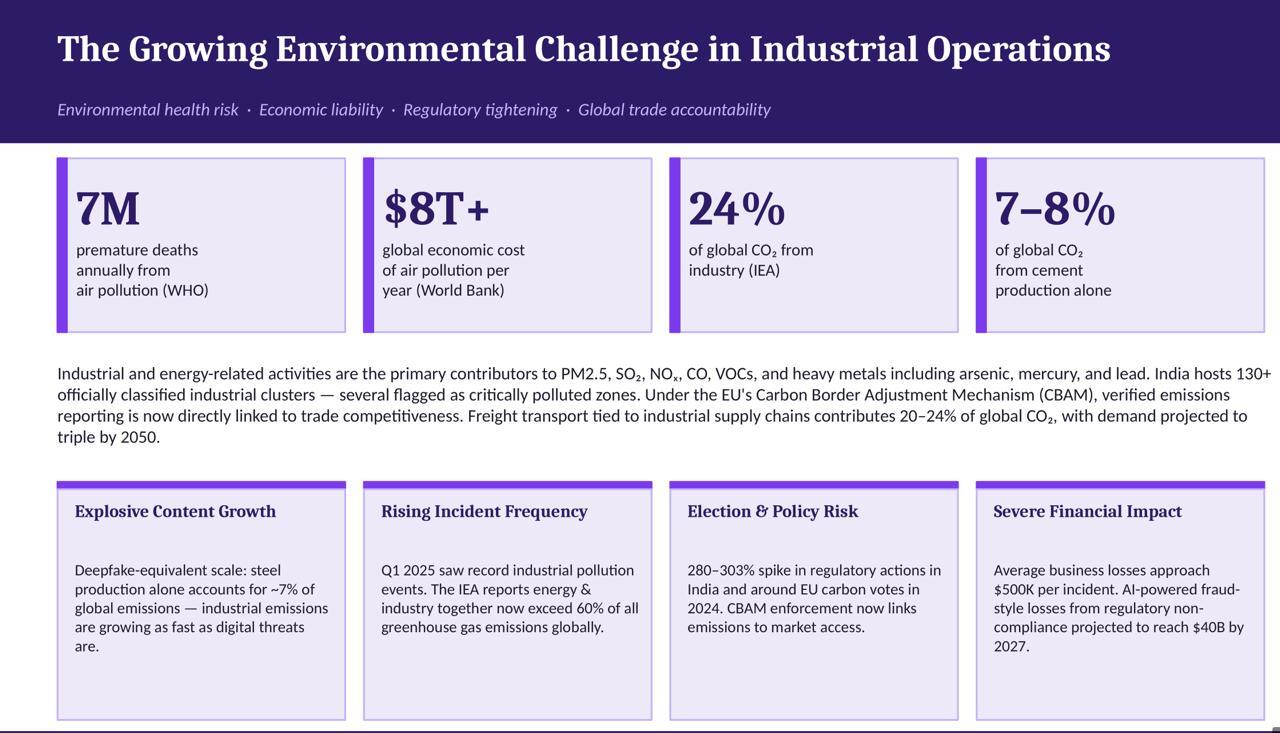
The pressure is multidimensional: Environmental health risk, Economic liability, Regulatory tightening, Global trade accountability.
Monitoring can no longer be occasional. It must be continuous and defensible.
Limitations of Traditional Emission Monitoring Systems
Most industrial facilities depend on a combination of CEMS, manual sampling, periodic inspections, and environmental audits.
Common limitations include:
- Periodic data capture: Manual sampling misses short-duration emission spikes.
- Calibration dependency: Sensors require frequent recalibration and are vulnerable to dust, vibration, and temperature extremes.
- Data silos: Video surveillance, IoT sensors, and lab reports often operate independently.
- Delayed lab validation: Chemical analysis may take days.
- Threshold-based alerts: Systems trigger alarms only after limits are breached, not during early deviation patterns.
Traditional systems record values. They rarely interpret behavior.
Current Realities in Industrial Emission Oversight
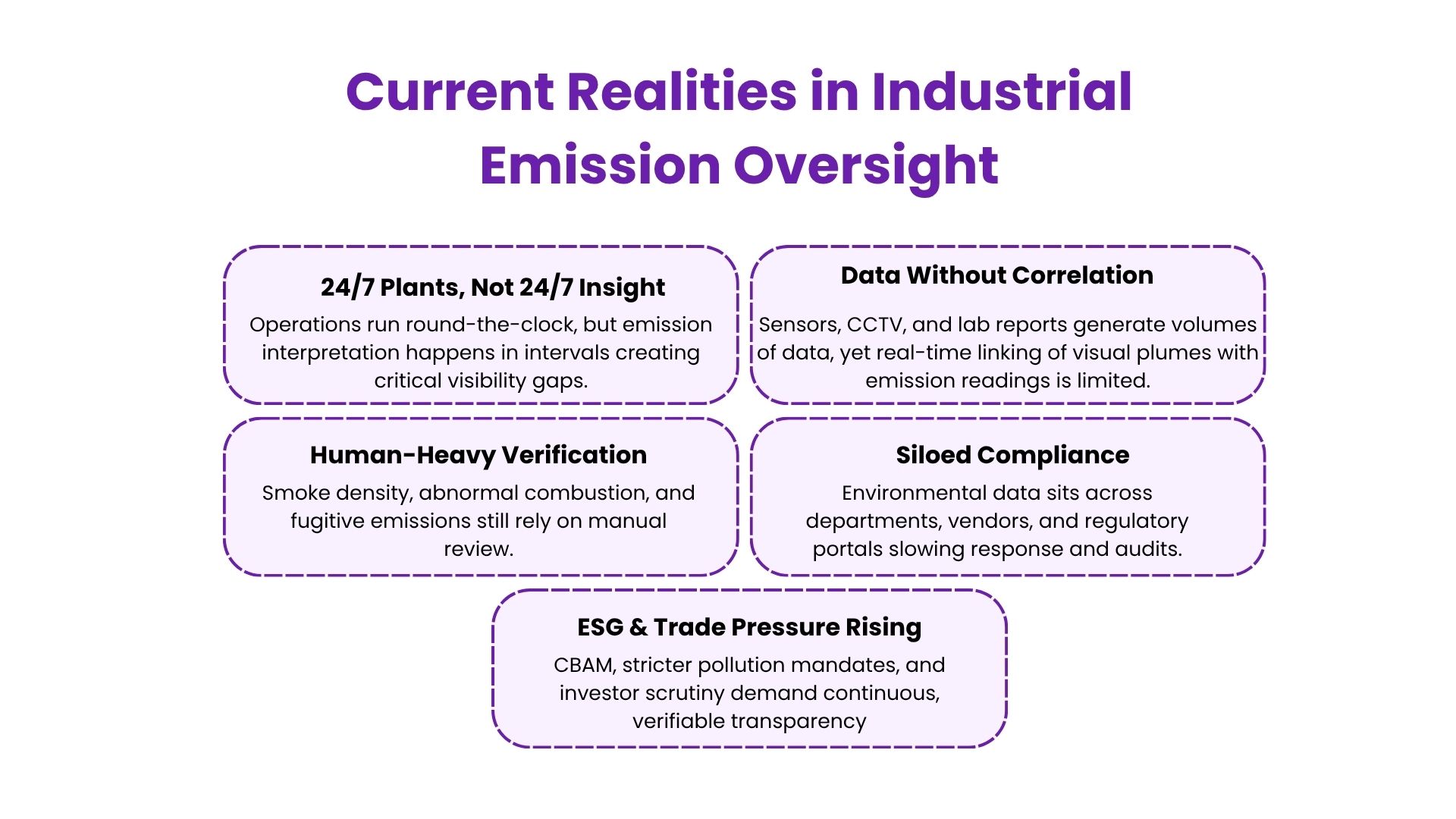
Key Challenges Without Intelligent Monitoring
Without AI-assisted visual interpretation, industries face:
- Detection gaps in real time: Emission deviations may go unnoticed for critical minutes or hours.
- Missed transient smoke bursts: Short-lived plume changes escape periodic datasets.
- High manual oversight load: teams spend extensive time reviewing reports and camera feeds.
- Fragmented compliance reporting: Data consolidation across systems remains slow.
- Limited predictive capability: Repeated low-level anomalies remain unlinked.
- Higher risk of regulatory penalties and reputational damage.
Industrial sustainability now requires early awareness, not post-event validation
How Vision AI Transforms Industrial Emission Monitoring
Vision AI introduces continuous visual cognition across industrial environments.
Instead of relying solely on numeric thresholds, systems analyze emission behavior patterns in real time.
Key transformation points include:
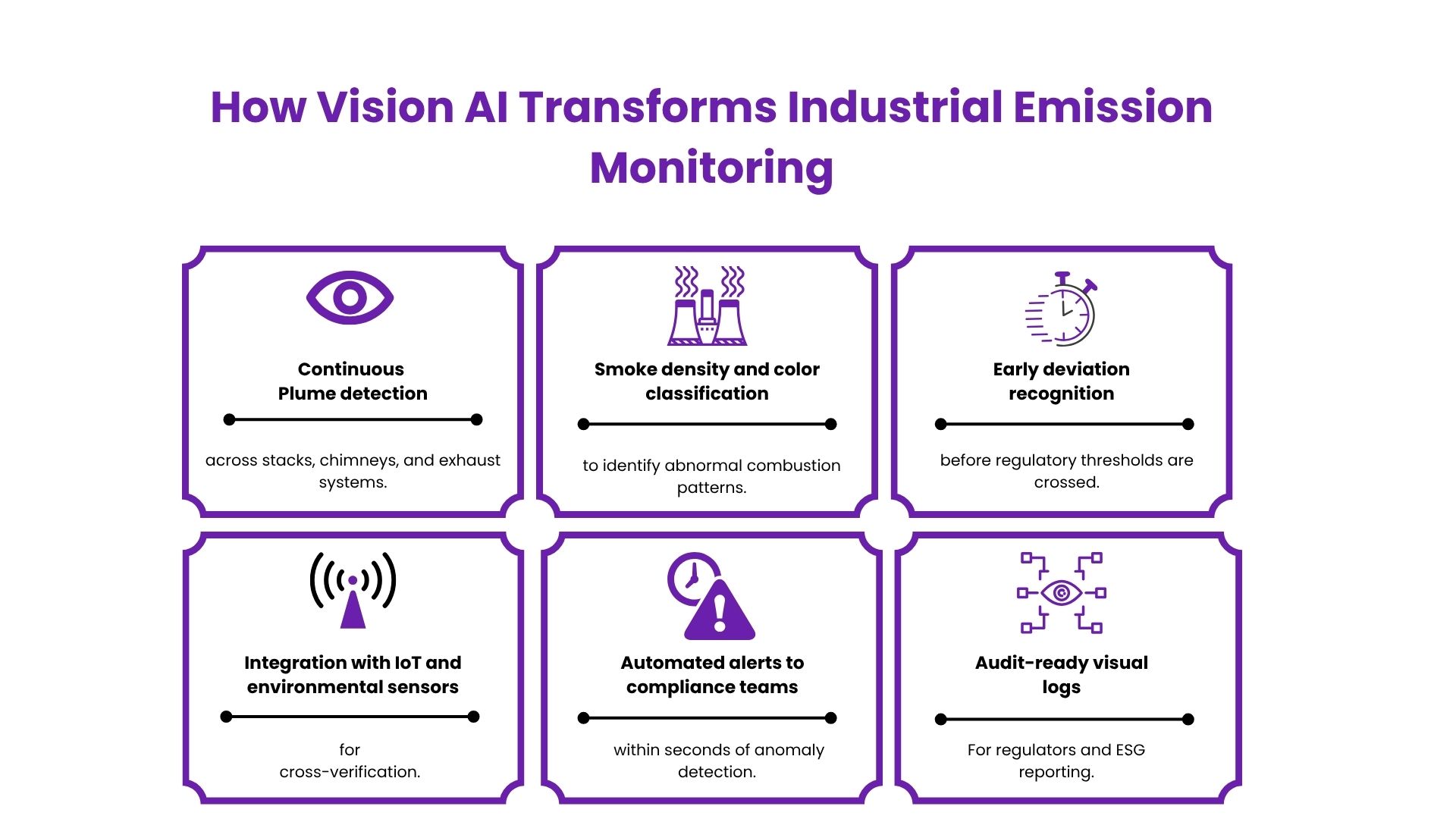
Monitoring shifts from reactive measurement to proactive intelligence.
Where Intelligent Emission Monitoring Matters Most
High-risk emission points across industrial facilities include combustion units, cement kilns, steel furnaces, chemical processing stacks, material transfer systems, and waste incineration zones.
In these areas, even brief deviations in plume density or exhaust behavior can indicate combustion inefficiencies, equipment malfunction, or non-compliant discharge patterns.
Continuous visual intelligence ensures that such deviations are detected as they emerge not after environmental exposure spreads.
How a Vision AI–Based Emission Monitoring System Works
A structured process flow enables real-time intelligence:
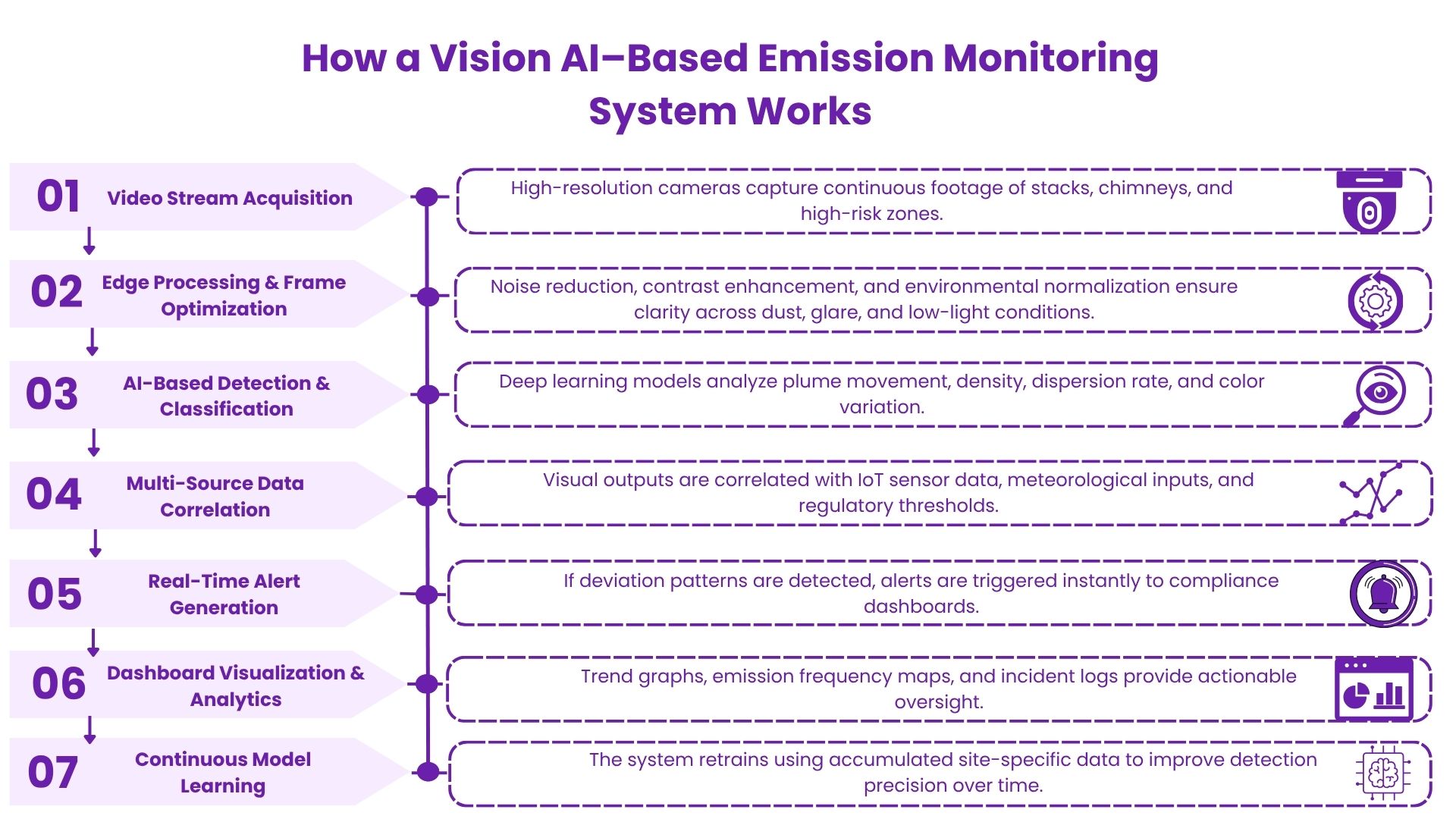
Result: Observe. Interpret. Act in real time.
Platform Capabilities – Valiance Solutions
Valiance Solutions enables industries to transform existing surveillance infrastructure into proactive environmental intelligence systems through AI-powered video monitoring. The platform is designed for deployment across manufacturing plants, steel facilities, cement units, logistics corridors, and large industrial clusters.
Future-ready environmental monitoring systems will focus on:
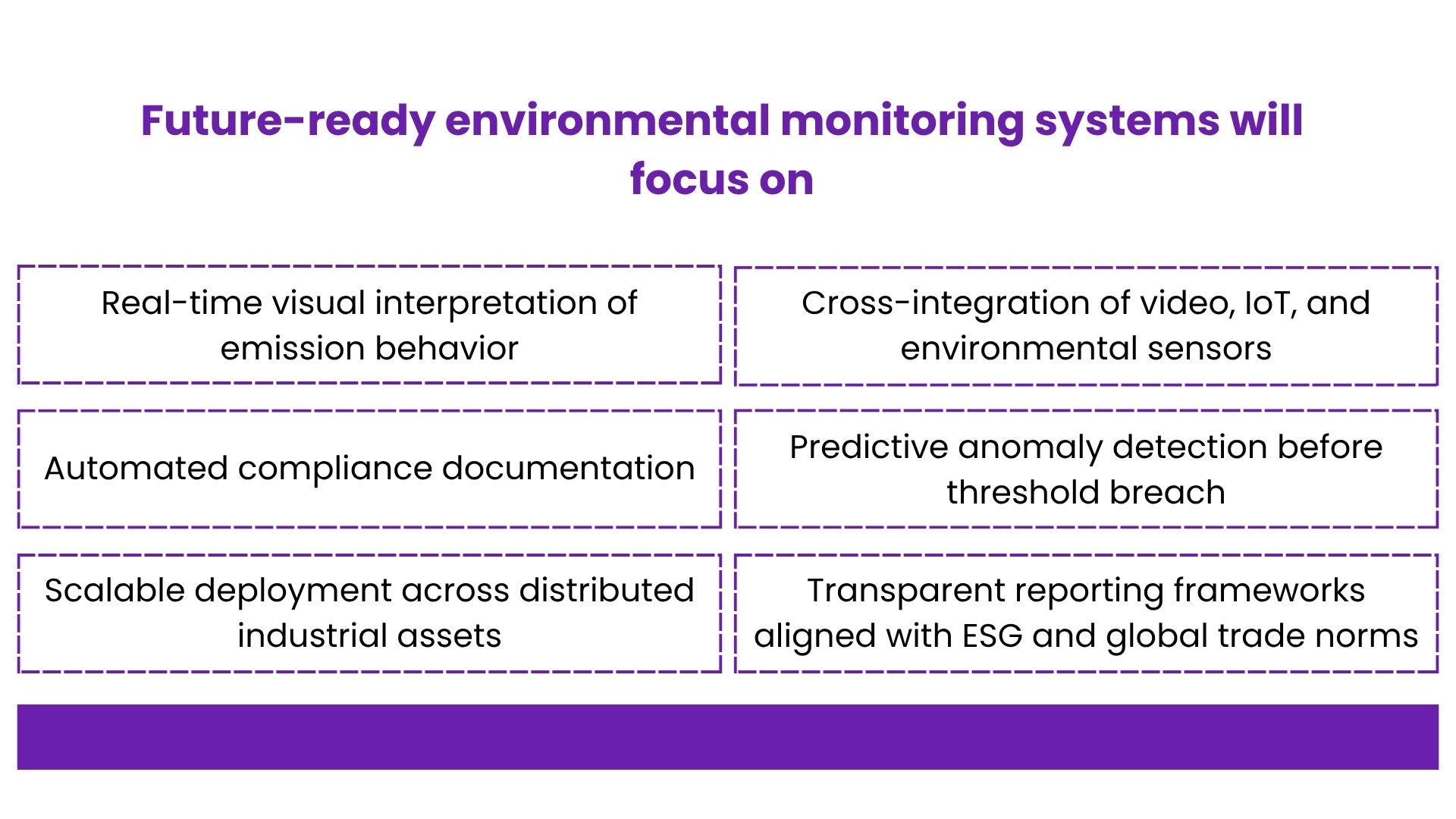
Industrial ecosystems are expanding. Sustainability frameworks must evolve alongside them. Moving from delayed reaction to early awareness.
At Valiance Solutions, we help industries transform existing surveillance infrastructure into proactive environmental intelligence ecosystems through AI-powered video analytics.
Environmental protection should not depend on reviewing reports after pollution spreads.
It should depend on identifying deviation as it unfolds.
Because progress is not measured by the number of sensors installed.
It is measured by how quickly emissions are understood and how effectively they are prevented.